Kim
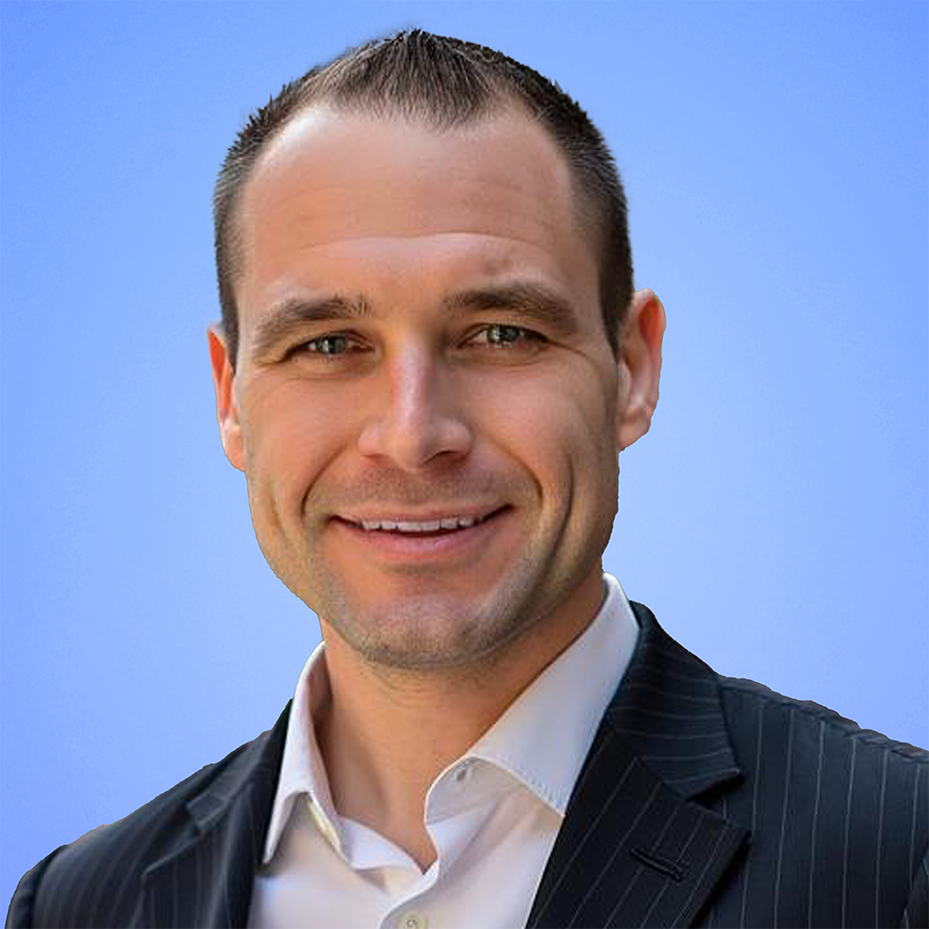
Kim, hello everyone. I’m Kim Thiboldeaux, and I’m delighted to welcome you to this episode of NEBGH voices. Today I’m pleased to welcome Ryan Czado, Chief Pharmacy Officer at RazorMetrics. Ryan brings deep expertise in pharmacy benefits, health plan consulting and employer strategy. With leadership experience at Express Scripts, Minuteman Health, Deloitte, and Lockton, giving him a broad perspective across PBMs health plans and employer-sponsored coverage at RazorMetrics, Ryan focuses on helping simplify prescription decision-making and optimize pharmacy spend through data driven insights and prescriber engagement. We’re so glad to have you today, Ryan, thanks for joining the conversation.
Ryan Czado
Thanks so much for having me. Really excited to be here and to be able to speak a little bit with you today.
Kim
Great, great. So let’s, let’s jump right in. Tell, obviously, I gave your bio, but tell listeners a little bit more about you, about who you are, and about RazorMetrics, and what RazorMetrics does, especially in the context of rising pharmacy costs?
Ryan Czado
Yeah, absolutely. So again, Ryan Czado, pharmacist. So, I have a clinical background, but have been in the PBM space about 15 years, so within, within pharmacy benefits, and kind of jumped right into that right after pharmacy school, just due to the interest around cost. So obviously going a little bit back. But like during pharmacy school, you learn about how drugs work in the body, what drugs work in the body, what classes they are, but they don’t talk a lot about how much they cost. And so as you start dispensing these and see the price point when you’re giving it to a patient at the pharmacy, you kind of wonder like, Okay, how did they afford this? Number one, how are they on the right therapy? And so that’s kind of led me through my career thus far. And so now, currently at RazorMetrics, I help with our sales as well as clinical support in basically what we are as a physician engagement platform that is used to optimize the formulary within our clients. So we work across employers as well as health plans, in supporting recommendations to prescribers on a lower cost alternative, and then also on polypharmacy. And so there’s a lot of connectivity that happens between a pharmacy and a provider or prescriber and the patient. And one of the things that we found that has missing is a lot of times prescribers don’t always know accurately how much things cost and what’s covered on the plan, and so we’re able to engage with them and provide that information, and thus resulting in savings for the plan. Of course, at the end of the day, we always want to save employers money, but oftentimes that also involves member savings, which is a win-win for everyone.
Kim
So maybe you need to go back to pharmacy school and teach, teach a class now on the cost of, cost of drugs. I think it…
Ryan Czado
There was a pharmacy economics class, which was my favorite, as you could probably tell, but yeah, it was. It wasn’t, It wasn’t a huge focus, but I’m sure there might be a little bit more of a magnifying glass on that now, just given the the rising costs.
Kim
Yeah, I did a stint in pharma, and we always used to say there’s, there’s not a right price for a drug, but there’s a wrong price for a drug, and the wrong price is when the patient can’t afford it, when the doctor won’t prescribe it and when the plan won’t cover it, right?
Ryan Czado
Exactly
Kim
Yeah, yeah. So I know you know, you’re working across multiple employer populations. You’re working with a number of different folks when it comes to our employers and their members at NEBGH, what are the most important pharmacy and specialty drug trends benefits leaders should have on their radar right now. I really want to get a sense of that.
Ryan Czado
Yeah, I think it’s obviously shifted. We’re probably going to talk about GLP-1s a couple times in our discussion, but I think, I think obviously, within the last year, we’ve seen where traditional spends so drugs that are not considered specialty have outpaced the trend for specialty. So I think first and foremost, people are looking at the GLP-1 category and the expanded indications, meaning the other conditions, it’s going to be used to treat with a very close eye. And then even within specialty, we’ve had a couple big blockbusters, of IBRA and Solara have biosimilar launches, and I think we’ll continue to see that over the next few years. And so I think it’s, it’s a lot around GLP-1s, expanded, expanded use for those. And then even specialty, there continues to be more and more drugs come to market. You know, that’s where Pharma is investing a lot of their R&D dollars is, is in the specialty categories, within cancer, obviously, within the autoimmune condition continues to grow. And it’s amazing, right? They’re coming up with drugs that can treat conditions in a way that we’ve never been able to, but that comes at a cost point, and so I think we’re going to continue to see the trends rise. And I don’t know if it will be on the traditional side continuously. Obviously, we saw a release earlier this week or last week around the decrease in price of Ozempic and Wegovy. So what we’ll start to see, hopefully, some some price compression on that category. But if you have more indications and more utilization, that also results in more costs.
Kim
Yeah, we will talk more about cardiometabolic and GLP-1s. We’re having a cardiometabolic conference this year. And one of the things that. Continues to stun us is the are those pipelines and all of the indications that are being studied? Obviously, they won’t all come to fruition, but we certainly are keeping an eye on that. And as you mentioned, cancer, we’re seeing a lot of rising cost in in gene and cell therapy, Ryan personalized medicine, CAR-T cell therapy, you know, all of those things, as you said, leaning into some of the specialty and more personalized therapies.
Ryan Czado
Yep, absolutely. Yeah, that’s where, that’s where they’re seeing the big uptick in the and the impact they can have on the disease. But again, how do you pay for it? I think that’s what have a lot of our employer and plan sponsor clients are asking, like, how do we continue to pay for these and make sure that the investment is worth it, right? Is the ROI on what you’re spending on that drug actually worth it?
Kim
Right. Absolutely, absolutely. And including, I know with GLP-1, a lot of folks are looking at, are we reducing total cost of care with these GLP-1s? And maybe the jury’s still out on that, but I know it’s something that our employers are laser-focused on to see the ROI, you know, on that investment. We’re seeing Ryan a growing number of point solutions aimed at managing foreign pharmacy spend. You know that better than anybody. But from your vantage point, what trends are you seeing and how employers are trying to tackle this challenge, and where are the gaps? Are there knowledge gaps? Are there data gaps? Are there…Where are the gaps in employers trying to get a handle on this?
Ryan Czado
Yeah, and I think there’s some amazing solutions that have come to market, and they’re all at first, it was broad management, right? Like, how can we do broad scope? Now you’re seeing disease or condition specific management solutions come out, and they’re, they’re truly impactful. I think it’s for an employer evaluating all of these solutions. How does it fit into your overall benefits strategy, like, how does this come across as a cohesive benefits package when you’re looking at from a, from a, if you’re an employee at one of these companies, does it actually make sense, and does it help them be a better, healthier individual? I think that’s what the ultimate you know, challenge might be of, does this create a cohesive benefit? And then also, obviously, you have the CFO that’s a part of these decisions and conversations that like is the investment I’m putting in. Because a lot of these are, these are all significant investments, of, am I going to see the return on offering these various types of solutions. And I think that might be the biggest gap, is you made the point just about like GLP-1s is, does that reduce overall health dollars, right? Does that increase the overall health of investing, paying that much for a drug? Do we see it on the on the benefit, the overall decrease in the medical side? And I think that’s where the ongoing challenge will be, is, if you are designing a benefits program that has this various stack of auxiliary type point solution vendors, does it create a cohesive benefit, number one, and then number two, is it returning on the dollar that you’re spending on each of these solutions that will lead to cost savings back to the plan? And I think that’s going to be the biggest challenge is measuring the outcomes on all of these. And I think there’s a lot again, I think there’s a lot of great solutions in autoimmune and in diabetes. And, you know, we talked about cardiometabolic, within all of these, there’s various solutions. It’s just, how do they play? Well together, with your with your medical benefit, with your pharmacy benefit, and at the end of the day, can you measure this the savings and create an ROI that tells the right story? Back to the ultimate stakeholders within the plan?
Kim
Yeah, we hear a lot from our senior leaders about their CFOs. We might hear CFO as often as we hear GLP-1. I’m not sure, but I know sometimes our senior benefits leaders feel kind of between the CFO and the employees, and trying to do the best by the company and the best by employees at the same time. And we really respect that challenge. And I think many of our folks really are setting a high bar and doing a great job at finding that that balance. When you talk about pharmacy management, it really is an ecosystem, Ryan, isn’t it? You talk about the sort of complexity of it and all of the different aspects of it. But where do you think employers still maybe lack visibility, lack control? I mean, is it about having greater input on formulary under the formulary development? Is it about making sure they’re getting the right data in a thoughtful and meaningful way to allow them to pivot or take action. You talked about, you know, outcomes, and how are we looking at impact on outcomes? Like, look at that ecosystem a little bit. And what are you hearing from employers? Where do they want to engage in a deeper way on this?
Ryan Czado
Yeah, I think over the last couple, even more so five years, there’s been a huge increase, or increased magnify glass on price, right? So we beat down price. We see, obviously, trends where specialty had gone way up, and they want more insight. And everybody says transparency, but you know, vision into what’s the ultimate price? What am I paying for my drugs? For the members that are taking these drugs? What are they paying? Basically, identify. The best price and the best vendor, and making a decision there, where I think the opportunity still exists is on the utilization and identifying, what, now that I have the best price and maybe I have the best vendors, and I think the other trend we’re seeing is the disintermediation or modularization of the pharmacy benefits, so finding the best stack of preferred solutions and putting them together. You mentioned about inside into formulary. So do you find an outside entity rather than your current PBM to evaluate and manage your formulary, or do you use a different vendor for your pharmacy dispensing? And so I think that’s where we’re seeing some of the larger plans. Look at of finding the best solution set and putting those together to create to create the best benefit. But I think one of the key, the key areas of trend, is still utilization. So I think the country as a whole, and even on Capitol Hill, they’re making changes to help increase visibility, transparency around how rebates are flowing, how pricing happened at the pharmacy. You’ve seen an increase in pass-through contracts, but I still don’t think we’re touching utilization enough, and that’s really where the opportunity exists, because I think there’s a lot of spend and utilization that may not be necessary. There’s a lot of ways you can impact that, through promotion of the lowest cost options for a certain condition. You know, it doesn’t always mean narrowing or taking away a member benefit. I think it’s just, how do you best optimize what your benefit is today and make sure that the utilization is appropriate and is and we just talked about with other point solutions, they’re there to help engage and manage those conditions that the drugs are being used to treat. And so I think that’s really where you’re going to get the most value, is when you can start to ensure that you have proper utilization, and they’re getting the best out of the most out of the drug they’re taking. That’s when you ultimately see where your plan is optimally running, and you’re generating savings just because of it.
Kim
You’re going to get bonus points today, Ryan, for using the word disintermediation.
Ryan Czado
Without stumbling over myself?
Kim
Did, like a beautiful job that is beyond an SAT word.
Ryan Czado
I practiced.
Kim
I’m just gonna I’m just making a note for myself here, disintermediation. I like it. I like it. I want to talk a little bit about the employee side of this, and also the provider side of this. And certainly, as employers evaluate more, you know, data-driven pharmacy strategies, more line of sight in transparency around their data. I would imagine the questions about employee privacy would come up. How should benefits leaders be thinking about employee privacy and the privacy of that data?
Ryan Czado
Yeah, I mean, cyber attacks are happening every day with all these various companies, and it’s an important consideration. I think obviously HIPAA is there for a reason, and so any solution you’re evaluating, make sure it’s HIPAA compliant. I think it also important, of like, understanding all the various touch points that have to happen. So as you are deciding on which vendors or partners you’re working with, what other sub-vendors are they using that? What are the touch points? Where are they reaching out to members directly? Where are they reaching out to your, your health plan, or your other various vendor partners? So I think it’s just a better understanding and insight. So I think we have a lot of employer clients that do a really great job of that, but ultimately, our goal at RazorMetrics is to minimize a lot of that and keep the connection of patient care between the provider, the prescriber, or the doctor, and the patient. And I think that’s where you run the best risk of decreasing, that is when you start introducing very variety of of partners that are reaching out to the member and to provider, and you’re just opening yourself more at risk. But we try to minimize that as much as we can in dealing directly with the prescriber and allowing the prescriber to work with the member. So I think, again, I think it’s about the diligence and ensuring that you’re you’re vetting your solutions. But of course, HIPAA compliance is important, and these cyber, cyber attacks don’t seem to be going away, and they become all more common, and it’s just ensuring that you have the right protections and securities in place when you’re dealing with this information, because it is sensitive, and I think a lot of people worry about, you know, as a health plan member, I know the health plan has everything about me, but what who else has everything about me? And I think that’s just one thing that you have to think about when you’re vetting and deciding who you want to work with.
Kim
So I know within your model, Ryan, you guys also work directly with the provider, side with the providers. Tell us a little bit about how that works. How have the provide prescribers, providers, you know, how have they responded? Do they, do they find value? Or have you had any skepticism or pushback with that sort of intervention?
Ryan Czado
Yeah, it’s it’s different, right? Because most of the solutions that you look at from a benefit plan standpoint, or, like, a member engagement type solutions? Yeah. So we’ve had really great success in going to the prescriber and allowing for them to maintain, as I mentioned, like being the quarterback, if you will, of care, and being the playmaker and deciding on what’s best for them. And we’ve had really strong feedback. We get a really, really high engagement rate out of prescribed. We get very little feedback, and if they do provide feedback, it helps us be better in a the recommendations we’re making, but also in how we communicate and when we communicate. That’s obviously very important part of this, this whole, um, solution is, obviously, you’re relying on on them to make action with the work what we’re providing them, but we don’t want to disrupt them, and we don’t want to make it be a downfall of us providing information to them. But they’ve been really positive responses, um, and I think some of the feedback we’ve gotten is they appreciate knowing the information to be able to better care for their patients. And though, I think they all every prescriber, um, every care provider, has their go-to therapies that they use for their certain conditions, but that doesn’t mean that every patient they’re treating has the same coverage of those therapies. And so if we’re able to provide information of like, Hey, this is actually cheaper than what you’re prescribing, and it doesn’t alter the care for that patient, if it’s clinically appropriate, then they’re they’re very pleased to do that, and it’s an easy approval on their side. And so I think it’s, it’s been well, well received. We go right into their their normal workflow, so it doesn’t require them to, you know, take action and sign into a different platform to see if there’s a better option. It’s worked really well, where we’re able to get them right, where they’re caring for the for the patient within their system. And it’s, it’s worked really, really well.
Kim
Terrific, terrific. Look. Cost containment for our members is top of mind for 2026, 2027, looking at double-digit increases. I mean, is this not this is not sustainable, let’s face it. So when our employers think about pharmacy cost containment, specifically in 2026 and beyond, where do you see the highest impact, cost savings opportunities emerging for them?
Ryan Czado
I think everybody’s still going to look at specialty, because you see such a huge trend year over year. GLP-1s, you know, we’ll talk about those two. I think within, within the traditional class, there’s always going to be opportunity, because obviously there’s a lot of drug development, but there’s a lot of conditions that have had a lot of competition within the drug classes, where there’s alternatives that exist, even within the same class, where there’s savings potential. So cardiometabolic is a great example, you know, within the GLP-1s for diabetes, so that they’re the first line. Basically, besides Metformin, you’re going to continue to see more come to market. We have oral versions available now, which is amazing, so you don’t have to use injectable and I think we’ll continue to see that. And obviously those those indications will expand. And when competition is created, that’s the best thing from a consumer standpoint, because you, more competition means lower price. So I still think there’ll be some cost savings on that side. And then specialty, obviously, as as these biosimilars come out, I think there’s a lot of opportunity there. Pharma is doing a great job of developing new, novel therapies, but also therapies that are that are treating the same conditions. And so again, once you have more competition and you have equal clinical effectiveness, so again, at the end of this, we want to make sure it’s the right drug for the, for the patient. But if there’s alternatives that exist, there’ll be a lot of cost savings opportunities that we can capitalize on that and then so then it’s just, how do you how do you look at that, evaluate that, and then put the best benefit in front of your members, the employee plan, and making sure that you’re helping people guide them to the best decision for them. So I would say it’s going to be broad stroke across, I think a lot of people keep talking about GLP-1s, but I’m sure there’ll be something else we can talk about, and hopefully in specialty this year, that will take a little concentration as those prices start to fall a little bit.
Kim
Right. And I know that our employers do, they want to get the right drug to the right patient at the right time, and that, in and of itself, can be a, you know, complex decision-making process. But certainly, we are tracking some of these biosimilars that are coming out and other generics that are coming to market to see some cost-saving opportunities there. We’re seeing some of these patents expire, you know, and other opportunities for cost containment. And certainly, we don’t want to, obviously, we don’t want to compromise, you know, clinical care, right? We don’t want to compromise outcomes. And so I think it is around that delicate balance of making sure patients are getting what they need, but also managing those costs. So let’s pivot now to cardiometabolic a little bit, and around the rapid growth of GLP-1 utilization. These things really are reshaping employer pharmacy strategy. So what are you seeing broadly? Are there emerging pharmacy trends that you think employers may still be underestimating? What are you seeing across the market in how employers are responding? I know everyone’s a little bit different in terms of what they are covering. You know, there are different BMI thresholds in place. And as you said, there are, you know, probably hundreds of indications that are being studied, you know, in pipeline right now. So I think there we’re looking at sort of a near-term, midterm, and long-term strategy in terms of tracking all of this?
Ryan Czado
Yeah, I agree. I think it’s you mentioned it earlier, like, there’s some studies going on of, what is the outcomes, right? What is the overall savings? Or, I guess, no better word than outcomes, of what? What does GLP-1 treatments do for you? And there’s when they first came out. Obviously, we looked at discontinuation rates, like, how long are people staying on these drugs? Obviously, for diabetes, they’re on them for a little bit longer. But when with the weight loss indication, you know they’re on it for what is it? An average of seven months in the most recent one. And so what? But still, what? What is the outcomes look like? And I think there’s some really positive studies that have come out showing that there are some outcomes. Is it a vast reduction in overall spend? Probably not. But as the price comes down for the GLP-1s, it might be an easier decision for groups to start to evaluate. And I know they’re layering right. We talked about this, but like all the vendors that are in the space, but they’re layering in, you know, weight management, weight loss, type of solutions to help augment that and make sure that it’s part of the overall journey for that specific patient or member of weight loss. It’s not just using the drug. The drug can kickstart and it will do great things. But how do you maintain that after you don’t need the drug anymore, or if you aren’t able to tolerate it, how do you continue to improve and manage yourself? So I would just say, yeah, I think we’ll continue to see employers evaluate the coverage of these for weight loss and all these other outside indications, like gambling addiction, is one they’re looking at which falls outside of cardiometabolic but
Kim
Alcoholism. Drug addiction
Ryan
Yeah. All sorts of behavioral opportunities that I think are really beneficial. And so I think that will be part of this is where do they see the value of these drugs providing and it’s amazing because we have the science that allows for us to come up with this, but it’s also a complex decision process to identify where it makes sense and where it doesn’t make sense to cover these so and I think even outside of the GLP-1s, you’re not seeing a lot of R&D within the cardio. There’s some, but you’re not seeing any blockbusters, if you will. So I think it’s just managing those, and there’s a lot of generic opportunities. So continue to promote those and and ultimately, it’s getting people to see the care or receive the care they needed, and ensuring they’re managing those conditions. So it’s all about, again, I keep talking about this, but, like, the utilization of these drugs is important too. Kim, the drugs are expensive, but you want to see them use them, because that’s actually a good investment, because they’re helping the conditions that they suffer from.
Kim
And there’s, there’s some data to show that folks might need to be on these drugs for life. Or, you know, maybe there’s a maintenance dose or a reduced dose. Or, I think the jury is still out clinically, you know, on that and sort of what the long-term usage might look like to maintain the success, right?
Ryan Czado
Yeah, exactly. And yeah, is there a plateau, like, even if they’re on them, is there some point where it doesn’t become any more beneficial, and then what happens next? What’s the next step for them to continue to maintain or to even improve their, their condition?
Kim
Yeah, yeah. I heard a nephrologist not long ago say that that he thinks by the year 2030, half of Americans are going to be on the GLP-1 for something, or I guess half of Americans on a statin now, right? So I think we’re, you know, trending in that trending in that direction as we look at continued indications in the in the cardiometabolic space, but also in some of these other areas…
Ryan Czado
Absolutely
Kim
…That are being explored and discussed. So it’s an interesting time to to be in this world and to be tracking that. In particular, we’re getting close to the end of our time, Ryan. There’s so much more we could talk about, but just looking ahead, how do you see this space evolving? What should employers consider as they build a longer-term pharmacy strategy. They’re obviously kind of locked in for 2026 now, soon enough, we’re going to be planning for 2027 and beyond. Other things on the horizon, we should be looking at other cost containment strategies. How should they be thinking about their data? How should they be thinking about transparency? I mean, give us a few kind of high-level tips as they think about their pharmacy spend?
Ryan Czado
Yeah, I think it’s all around looking at your trends and your data and understanding where your current utilization and spend is at and what solutions you may need to evaluate to help solve for some of those that would be like more, more near-term, near, near-term. I think it’s also important, as we talked about having the right stack. I keep calling it that, but the right stack of partners that are there to provide the care and that fit into your overall strategy. If it’s cost savings, you may need to find solutions that tighten up the benefit or create more of a generated savings. If you’re looking to enhance the benefit, which I think a lot of plan sponsors are, how do you augment that with cost savings too, as well, right? So we can augment and make a plan more well-rounded and offer more while also driving savings at the same time and helping them improve their health. Because just because you’re putting in a condition management program, even outside of pharmacy, doesn’t mean it’s a negative, right? A lot of people might. Benefit from that and don’t realize the help that’s out there. And so I would say, understanding where your trends are at today, where are you spending the most money? And I think a lot of obviously employers do a great job of that. They have to know that. But then what do you do to act on that? And I think it’s again, finding the best stack of vendors and where that makes the most sense. And from a pharmacy perspective, I think a lot of people have gone through an RFP and evaluated the PBMs that are in the market and identified the best one for them. But then what’s the next phase of that? Right? So how do you continue to manage it? Even if you’re with the best PBM and you have a high trend, it’s not because they’re doing it may not because they’re doing a bad job. It just may be that you need additional solutions to help better manage some of that that spend and so I think that’s just where you’re going to continue to see you talk about a lot of pharmacy vendors in the space now, there’s probably going to continue to be more just because as healthcare evolves, as as our as the conditions get more complex, and as these new therapies come to market, there’s more of a need for holistic management. So I would just say, evaluate what’s out there, know your know your plan and what’s needed, and find the best, best partners to help you address some of those trend drivers that you see.
Kim
Yeah and I think thinking about that, you know, the term is stack, which I think is a great way to describe it, making sure that you are stacking solutions that can talk to one another. There’s some interoperability there, right? You’re not functioning in silos with those folks that you’re bringing in to help.
Ryan Czado
Yeah, exactly. And I think you have to also put yourself in the, I say patient, but member of like, hey, if I have 12 different point solutions reaching out to me and touching me, because I unfortunately suffer from five different types of medical conditions, that doesn’t feel great either. So to your point of like, how do these all coordinate with each other? How do they tie back to your doctor or your prescriber or whatever specialist you may be seeing? How does this tie back to the employer
Kim
And your health plan
Ryan Czado
And your health plan and every part, and like, how does that, how do you interact with them? How do you know where to go? I think that’s a very the member journey is very important part of this. And I think that’s also a challenge of like, how do you make this seem cohesive from a member and then also from, like, a buying standpoint on the employer side. But that to say, I think there’s a lot of great solutions out there that can fit well together. I think it’s just finding the right the right way to set them up.
Kim
And I know some of the health plans are creating their own solutions, yeah. And some of them are creating proprietary relationships with third party solutions. And so when we work with our members to look at point solutions, we encourage them to talk to their health plan to make sure they’re making decisions that are going to make their lives and their employees lives easier, not harder.
Ryan Czado
Right. Exactly. Yeah. No, it is, yeah. And of course, you have like you look at it, the world is so cyclical of M&A activity, right? So all these point solutions come up, and then they get purchased or acquired or merged. And so we’ll continue to see that that will never go away. But yeah, a lot of times having an integrated platform is not a bad thing either.
Kim
Right, right? Ryan, thank you so much for joining us today, for sharing your experience and expertise. It’s been a great conversation, and as the episode comes to a close, I also want to thank and recognize your colleagues and the team at RazorMetrics for sponsoring this episode of NEBGH Voices. We’re grateful. We’re grateful for our partnership with you and your active participation and membership. You guys make it possible for us to share this great content with our membership. So I want to thank you for that and for joining today.
Ryan Czado
No, thanks so much for having us, and we, of course, mutual would love the partnership, and are excited to see you and all the members at the upcoming events. So thank you very much.
Kim
Yeah, we have a very vibrant year planned for for everyone. This has been NEBGH voices. Thank you for listening today, and as always, we wish you wellness.
voices
And I am one of the voices. I am one of the voices of NEBGH.