
Fiduciary Risk Is Rising: How to Defend Your Health Plan Decisions
Not a member and interested in attending? Contact Emily Commer!
With projected health benefit cost increases approaching 9% and growing scrutiny around GLP-1 coverage, PBM strategy, and vendor performance, employers are increasingly expected to defend not only outcomes—but the decisions behind them.
Fiduciary responsibility is no longer simply a compliance exercise. It requires documented oversight, transparent decision-making, and governance processes that can withstand CFO, regulatory, and legal review.
This session focuses on what fiduciary proof looks like in practice and how employers and advisors can implement governance frameworks that are continuous, documented, and financially defensible.
Attendees will learn:
- Clear standards for what must be documented and defended
- Where fiduciary exposure most often arises (GLP-1 coverage, PBM rebates, vendor guarantees)
- A practical approach to independently validating vendor performance
- What audit-ready documentation looks like in real-world scenarios
Moderator
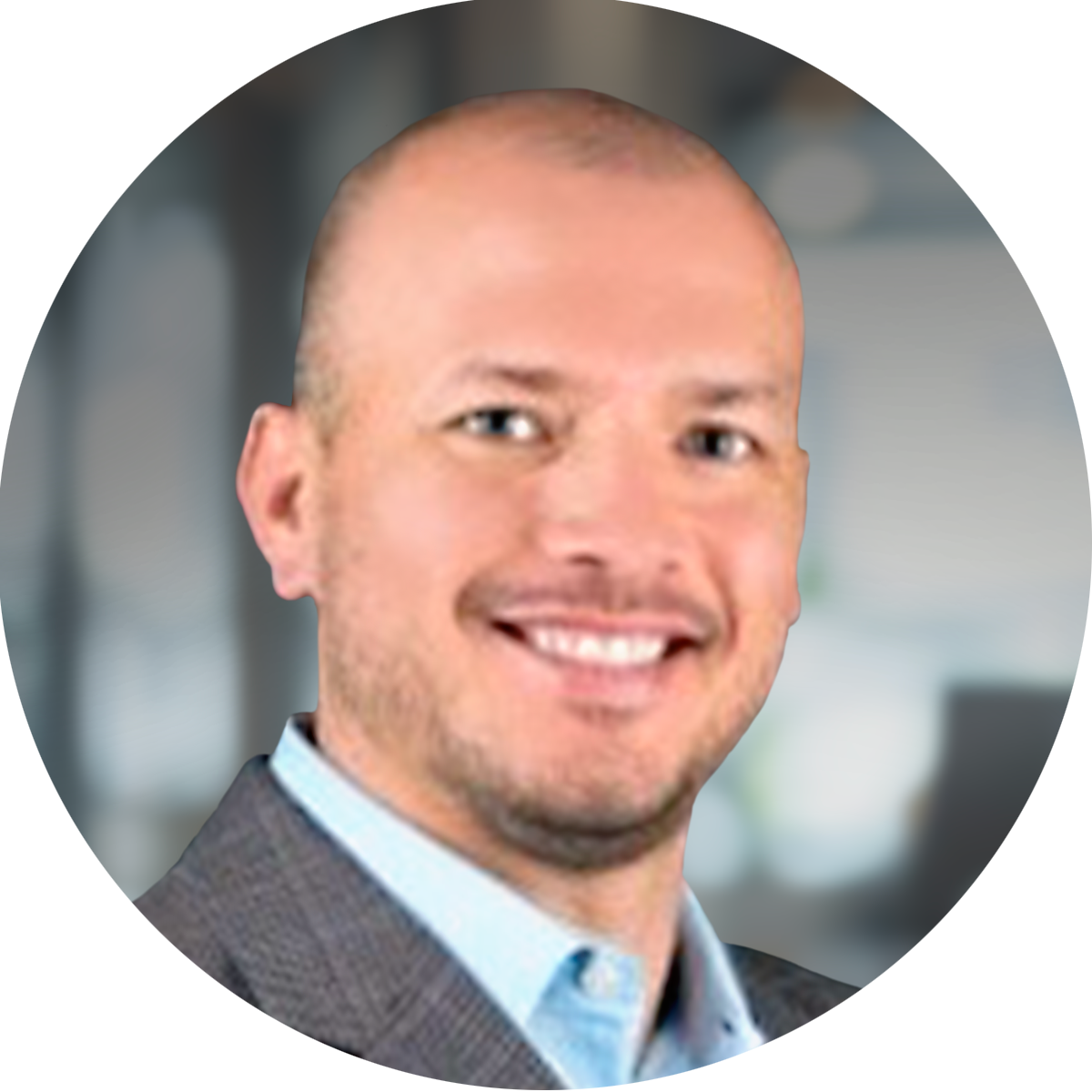
Paul Richmond
Paul Richmond is a seasoned strategic leader with over 20 years of experience in healthcare and employee benefits. As Chief Commercial Officer at Wellnecity, he spearheads innovative approaches to health plan management, delivering exceptional value and outcomes for clients and plan members.
Previously, Paul served as Senior Vice President at Transcarent, where he led the development of a premier Centers of Excellence network, achieving a 99% client retention rate and driving significant market expansion. His career also includes leadership roles at Employer Direct Healthcare and top medical device companies like Stryker and DuPuy, where he excelled in operational efficiency, strategic growth, and client success.
With expertise in building high-performing teams, fostering innovation, and navigating complex challenges, Paul is committed to transforming healthcare delivery, improving access, and driving sustainable industry change.
Panelists
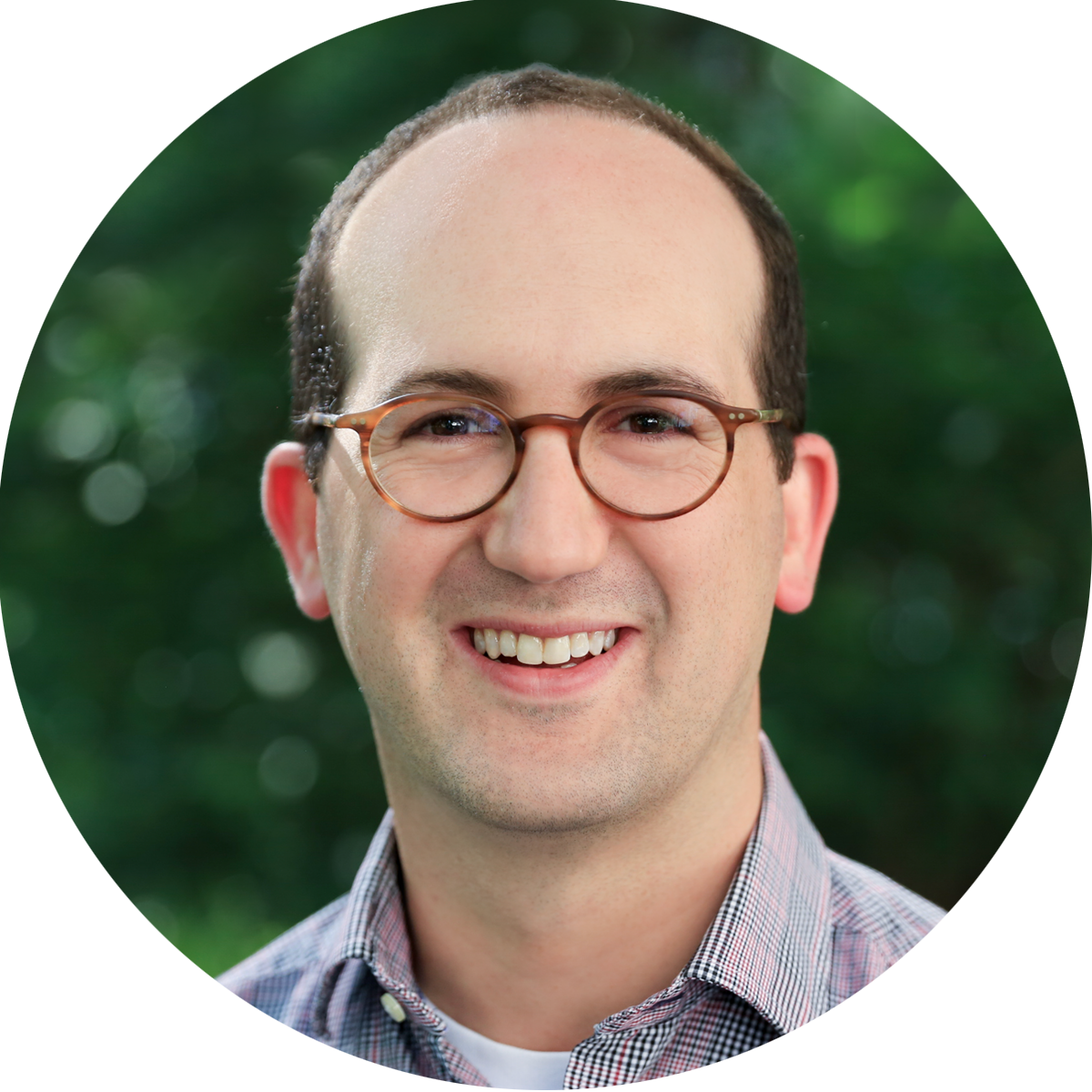
Jed Cohen
Jed is a serial entrepreneur whose career has spanned multiple industries, including technology, the performing arts, and non-profit. In 2009 Jed launched RocketHub.com, one of the world’s first crowdfunding platforms, with the aim of empowering people through access to capital. Jed and his team scaled RocketHub to become one of the largest crowdfunding platforms in the world and enabled independent artists, entrepreneurs, and scientists to raise millions of dollars to complete passion-projects. RocketHub was acquired in 2015. From there, Jed moved into health-tech, helping to scale Outcome Health past a $5 Billion valuation, before becoming the COO of Venture for America, a national nonprofit dedicated to developing the next generation of entrepreneurs. Jed is now Co-Founder & COO of Fiduciary In A Box, helping employers to quickly and easily establish a well-documented fiduciary process for the management of their benefit plans.
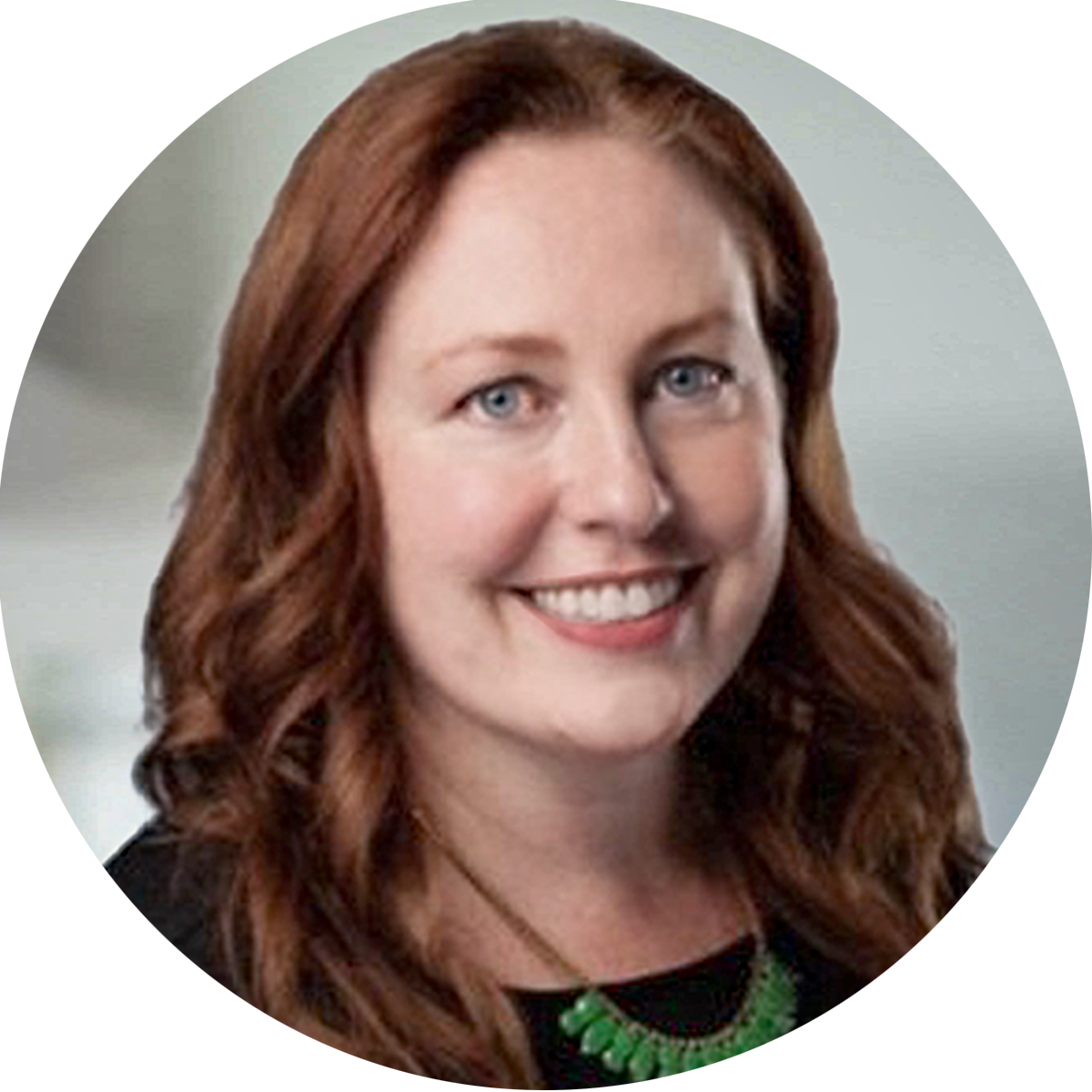
Kate Morgan
Kate specializes in complex multi-state health insurance and health care regulatory challenges, drawing on more than fifteen years of experience both in-house and at top tier international law firms. Kate is a well-known expert in payor/provider issues and is adept in the intricacies of the Affordable Care Act (ACA) and state health insurance and managed care laws, and the interplay of the two. Additionally, she has been part of industry-defining changes in digital health, data transparency and the post-CAA fiduciary landscape.
Kate has advised health insurance and managed care clients on a broad range of regulatory issues, including state and federal mandated benefits; state and national health care reform; group health laws (e.g., extra-territorial applicability, withdrawal from group business); joint ventures; HIPAA and state conversion and continuation of coverage provisions; state privacy laws; utilization review requirements; company licensing; broker and agent issues; and applicability and interpretation of other relevant statutes and regulations. Kate also provides regulatory advice regarding non-traditional healthcare models to third party administrators, consulting companies, and financial institutions, including negotiating with state insurance regulators to obtain insurance license exemptions for such models. She has a stellar record of positive outcomes when representing clients before state regulators in investigations and enforcement actions.
In addition, Kate has significant experience with provider contracting issues, including Value-Based Contracting such as Accountable Care Organizations (ACOs) and other complex risk and pay-for-performance (P4P) financial reimbursement models. She has negotiated and drafted contracts between insurers/HMOs and provider organizations, including large hospital physician systems, Physician Organizations (POs), and Independent Practice Associations (IPAs) and has advised on a variety of payment structures, including fee-for-service, capitation, and global budgeted fee-for-service, among others. She has also advised on related issues, including joint ventures, provider owned payors, recoveries, provider data requests, risk mitigation, performance measurement, and a variety of multi-party agreements.
In connection with regulatory approvals of mergers and acquisitions of insurance companies, Kate has obtained approval of Forms A, requests for exemption and disclaimers of control on behalf of insurers. She has prepared, filed and obtained approval of certificates of authority, re-domestications, and producer appointments, in all 50 states, Kate served as the lead associate representing property and casualty insurers in contested rate cases and rule challenges before state departments of insurance and administrative law judges.
Kim Thiboldeaux - CEO
Kim Thiboldeaux is a seasoned, passionate health care leader with experience in both the private and non-profit sectors, spanning multiple disease areas and health care topics including HIV and AIDS, organ transplant, oncology, caregiving, patient navigation, and health equity.
Kim served as CEO of the Cancer Support Community (CSC) for 20 years, from 2000-2020, leading a global nonprofit network that operates at 175 locations, including CSC and Gilda’s Club centers, and in multiple hospitals and cancer clinics. Combined with a toll-free Helpline, a Research Institute, and a DC-based Policy Institute, Kim grew this network of professionally-led services five-fold during her tenure. In her last year as CEO, the organization provided more than $50 million in free support and navigation services to patients and families.
Kim’s service includes appointments to the nation’s premier health care panels and boards. In 2019, Dr. Francis S. Collins, Director of the National Institutes of Health, appointed Kim to the Novel and Exceptional Technology and Research Advisory Committee. This panel is focused on providing advice and serving as a transparent forum for discussion of the scientific, safety, and ethical issues associated with emerging biotechnologies. In 2017, Kim was appointed to serve on the Biden Cancer Initiative’s Board of Directors.
In serving as a patient advocate on these high-profile boards and panels, Kim has brought attention to inequities in our health care system. In 2019, she joined Navajo Nation President Jonathan Nez, Dr. Jill Biden, and leaders of the Tuba City Regional Health Care Corporation in Arizona to mark the opening of the first-ever full-time cancer and support center on an American Indian Reservation. Kim helped convene key Navajo Nation leaders, private sector supporters, and other officials to establish this culturally-adapted program located in an area larger than the state of West Virginia. That work led to the opportunity to develop a full-length, feature documentary, Navajo Nation USA, about the cancer center and the triumphs and challenges of the Navajo people. Kim is Executive Producer and Writer on the film (www.NavajoNationUSA.com).
In 2020, Stand Up To Cancer appointed Kim to its Equity Breakthrough Research Review Team, focusing on cancers affecting underrepresented populations. In 2019, the International Psychosocial Oncology Society presented Kim with the President’s Community Award for Distinguished Contributions at its Global Congress in Canada.
Kim has led numerous other initiatives to help patients and families in need. Most notably, she launched an emergency fund in the wake of the COVID-19 pandemic that provided financial relief grants to thousands of patients affected by the economic downturn and expanded the organization’s professionally-staffed Helpline as the call volume nearly doubled. In addition, as part of a two-year collaboration she led with Airbnb, more than 3,000 patients in need were provided free housing while traveling for treatment.